Transforming Stuttgart–Ulm: RAILONE’s Modern Railway Technology for the Mobility of Tomorrow
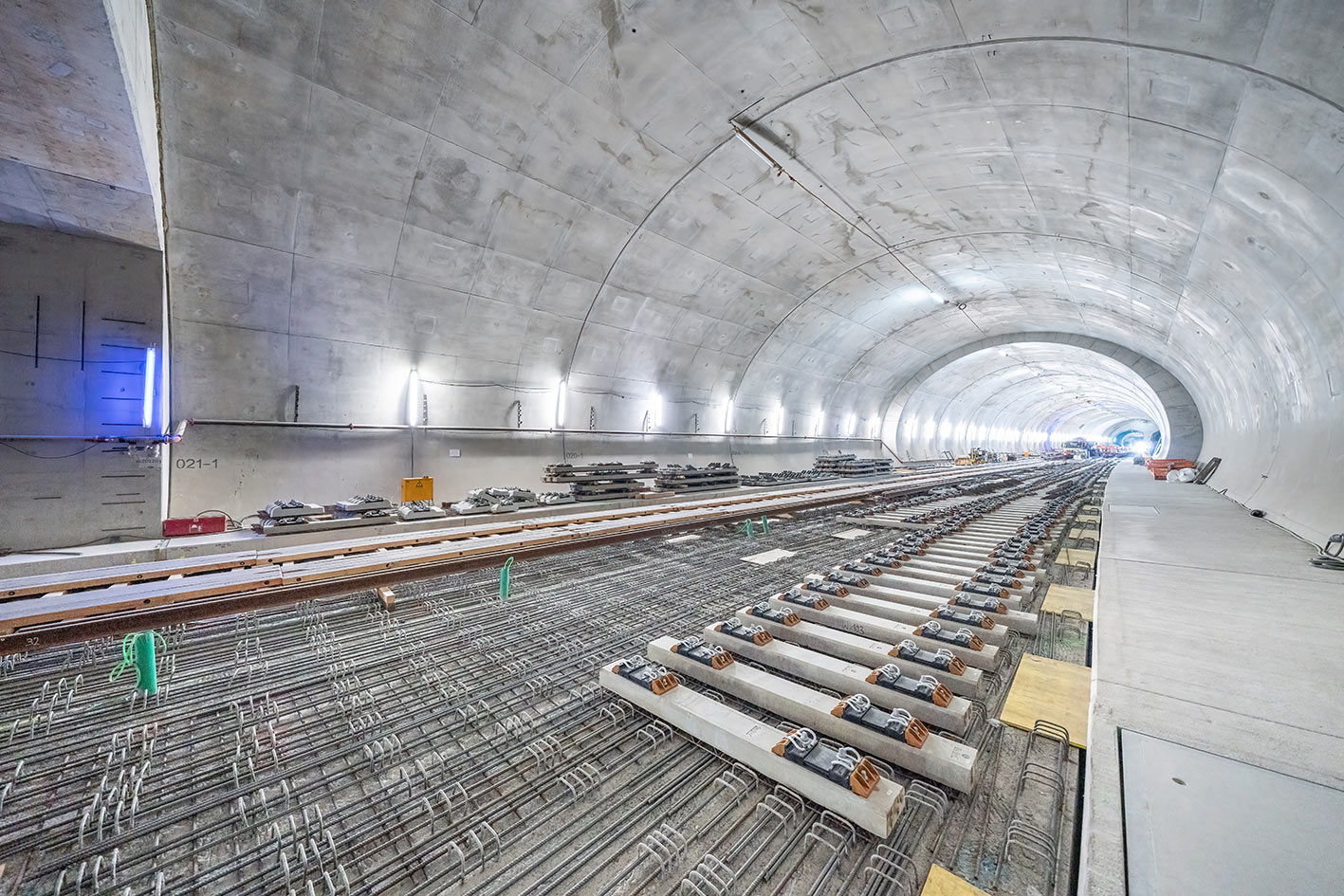
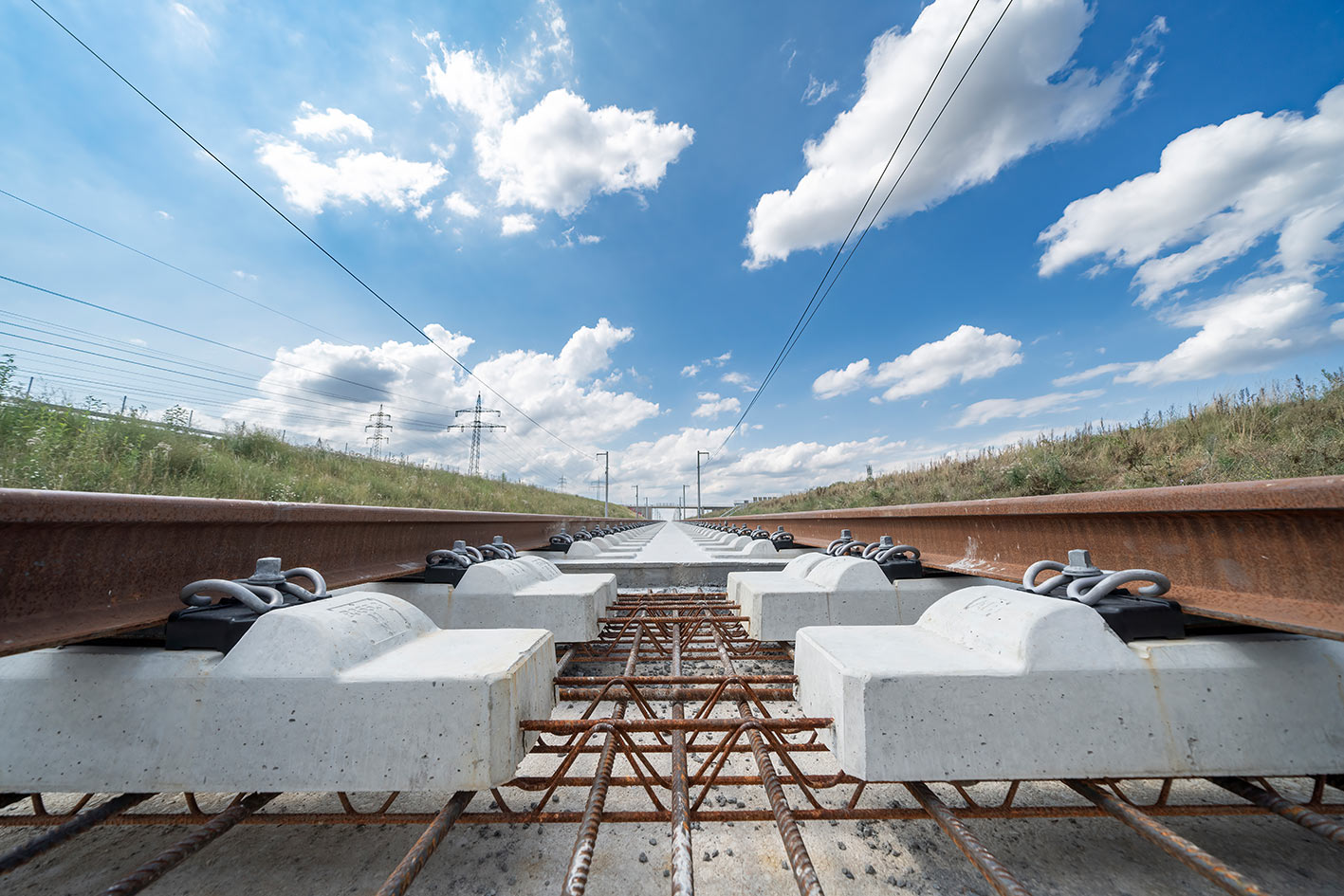
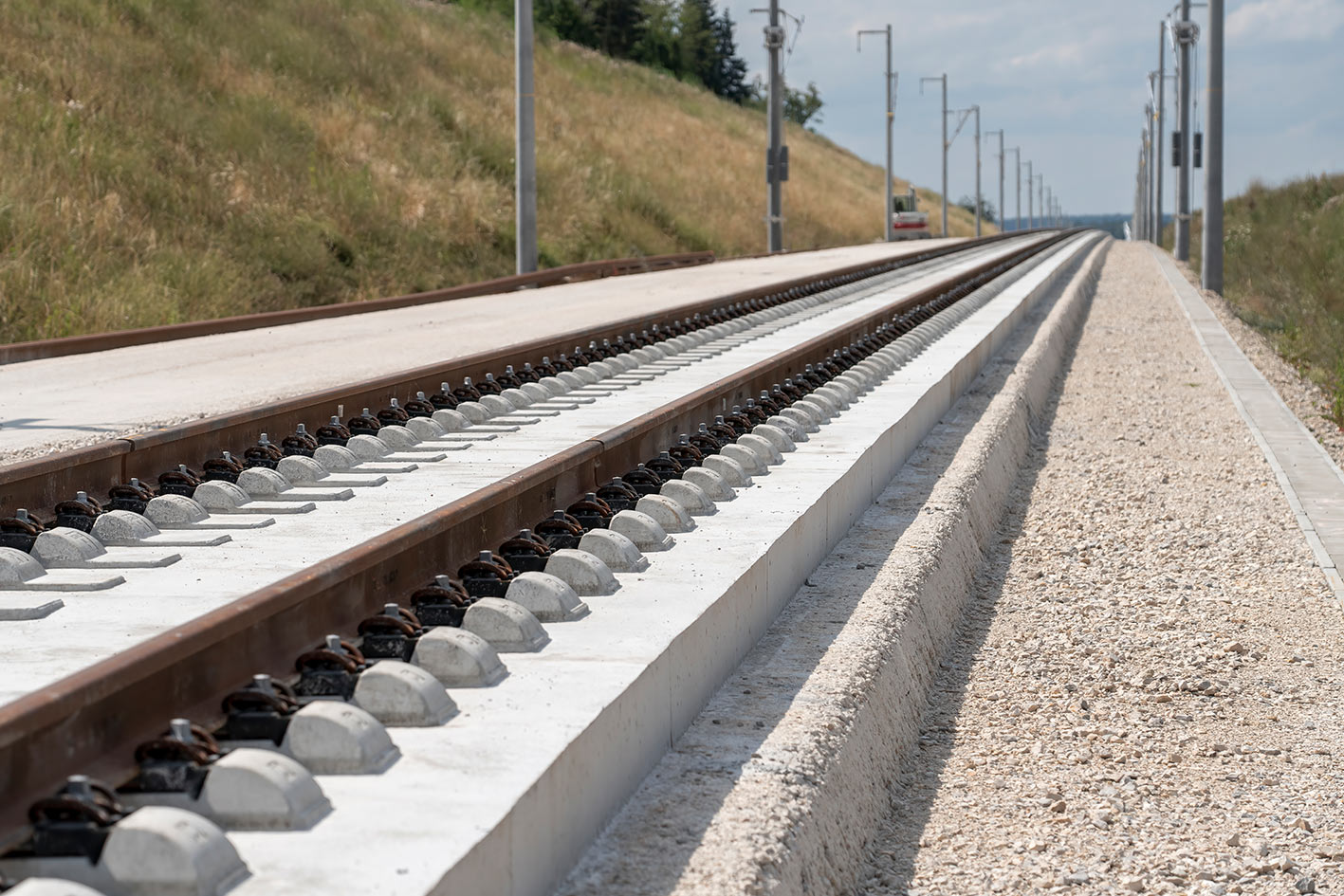
The Stuttgart–Ulm railway project, with construction taking place from 2010 to 2022 and, for Stuttgart 21, expected to continue until approximately 2030, comprises the Stuttgart 21 modernisation project and the new Wendlingen–Ulm line. The project includes the supply and installation of the RHEDA 2000® ballastless track system, turnout sets and ROSS access slabs.
The Stuttgart–Ulm railway project encompasses the major Stuttgart 21 development and the new Wendlingen–Ulm line. It is fundamentally modernising the Stuttgart railway junction and adding an approximately 60-kilometre high-speed line across the Swabian Jura. The route connects Stuttgart 21 in the west with Neu-Ulm in the east and passes through seven twin-bore tunnels. The aim is to significantly reduce journey times and strengthen the region’s infrastructure over the long term.
Stuttgart 21 itself aims to enhance the capacity and future readiness of the railway junction through a new underground through station and modernised approach lines.
The RHEDA 2000® ballastless track system was used for both the Wendlingen–Ulm high-speed line and Stuttgart 21, offering cost-effectiveness, a long service life and low maintenance requirements.
Construction of the Wendlingen–Ulm line began in 2010 and was completed in 2022. Stuttgart 21 remains under construction. RAILONE’s ROSS drivability slabs were also used for Stuttgart 21 to ensure that emergency vehicles can access the tunnels in the event of an emergency.